

Views: 0 Author: Site Editor Publish Time: 2025-10-24 Origin: Site
Have you ever struggled with a combination padlock? You're not alone. Understanding how these locks work is crucial for security. In this post, you'll learn why changing your padlock combination is vital and how to do it effectively.
Changing your combination padlock’s code is easier than you might think. Here's a simple way to do it for most three- and four-digit locks:
Open the padlock using the current combination. Without this, you can't change the code.
Pull up the shackle after hearing the click that signals it’s unlocked.
Turn the shackle 90 degrees clockwise until it lines up with the notch on the base. This unlocks the reset mode.
Push down the shackle firmly. If it won’t push down, the shackle might not be in the correct position.
Change the number dials to your new combination while holding the shackle down. Make sure you pick a code you can remember but isn’t easy to guess.
Release the shackle after setting your new combination.
Turn the shackle back to its original position and lock it.
Test the new combination a few times to make sure it works properly.
Following these steps carefully will help you reset your padlock without trouble.
Rushing the process: Changing a combination lock requires patience. Moving too fast can cause errors.
Not aligning the shackle properly: The shackle must be turned exactly 90 degrees and pushed down for the reset mode to engage.
Forgetting the new combination: Always write down your new code and keep it in a safe place.
Not testing the new combination: Failing to test can leave you locked out unexpectedly.
Trying to reset without the current combination: Most locks won't reset without the original code.
Avoiding these mistakes will save you frustration and keep your lock secure.
Most padlocks don't require special tools to change the combination. However, some models may include or need:
Reset tool: Often comes with the lock; used to engage the reset mechanism.
Small flathead screwdriver: Helpful for pressing reset buttons or levers on certain locks.
Good lighting: To see small parts and numbers clearly.
Pen and paper: To note down your new combination.
Having these on hand makes the process smoother and helps avoid errors. Always test your new combination several times before locking your padlock to avoid accidental lockouts.
Resetting a combination padlock is simple if you know the current code. Follow these steps to update your lock’s combination safely:
Open the lock using your current combination. This is essential; you can't reset without unlocking it first.
Pull up the shackle until it clicks open.
Turn the shackle 90 degrees (usually clockwise) until it lines up with a notch or designated reset position.
Press the shackle down firmly in this position. This engages the reset mode.
Set your new combination by rotating the dials while holding the shackle down. Choose a code easy for you to remember but hard for others to guess.
Release the shackle once the new combination is set.
Return the shackle to the locked position by turning it back and pressing it down.
Test your new combination several times to ensure it unlocks smoothly.
Each padlock model might have slight variations, so always check your manufacturer's instructions if unsure.
When resetting your padlock, keep these security tips in mind:
Reset in private: Avoid setting your new combination where others can watch. This prevents code theft.
Pick a strong code: Avoid obvious sequences like "1234" or repeated digits. Mix numbers for better security.
Record your new combination: Write it down and store it somewhere safe to avoid lockouts.
Test before locking: Confirm the new code works multiple times before using the lock for security.
Keep reset tools secure: If your lock requires a special reset tool, don't leave it lying around.
By following these precautions, you maintain control over your lock’s security and reduce the risk of unauthorized access. Always reset your padlock combination in a well-lit, private space to prevent others from seeing your new code.
Losing the combination to your padlock can be frustrating, but several options exist to recover it safely and legally. Here's how you can retrieve your lost combination and regain access to your lock.
Check for a Serial Number: Many padlocks, especially from well-known brands like Master Lock, have a serial number stamped on the lock body. This number is key for recovery. If your lock has one, you can use it to request the combination from the manufacturer or an authorized retailer.
Visit a Distributor or Retailer: Some stores can help retrieve your combination if you bring the lock in. Important: the lock must be detached from anything else. Retailers usually contact the manufacturer on your behalf to get the code.
Submit a Lost Combination Form: Many manufacturers offer a formal process. You'll need to provide proof of ownership by notarizing a form and sending it along with the lock’s serial number. This method usually takes a few weeks but ensures your request is legitimate.
Send a Photo for Verification: Some companies allow you to send a clear photo of the lock showing the serial number and that it’s not attached to anything. After verification, they may provide the combination within days.
Manufacturers often provide dedicated support for lost combinations:
Master Lock, for example, offers free combination recovery if you follow their process. They may charge a fee at the retailer level, but their service itself is free.
They also provide replacement reset tools if you lose yours, which can be requested by submitting your lock’s model number or a photo.
Some brands have online resources, instructional videos, and customer service hotlines to guide you through the recovery or reset process.
Always check the manufacturer's website or contact customer service for the exact steps and requirements.
If manufacturer support isn't available or your lock lacks a serial number, alternative methods include:
Trying Common Combinations: Sometimes, people use simple or default codes like “0000” or “1234.” Testing these may help, but be cautious not to damage the lock.
Using a Shim or Bypass Tool: Some skilled individuals use shim tools to open combination locks without the code. This should only be done if you own the lock, as unauthorized attempts may be illegal.
Contacting a Locksmith: Professionals can often open or reset locks without damaging them. Locksmiths have specialized tools and experience to help in tricky situations.
Replacing the Lock: When all else fails, cutting the lock and replacing it might be necessary, especially if the lock is inexpensive or no recovery service exists.
Tip: Always record your combination securely when setting a new code to avoid lost combinations and the hassle of recovery.
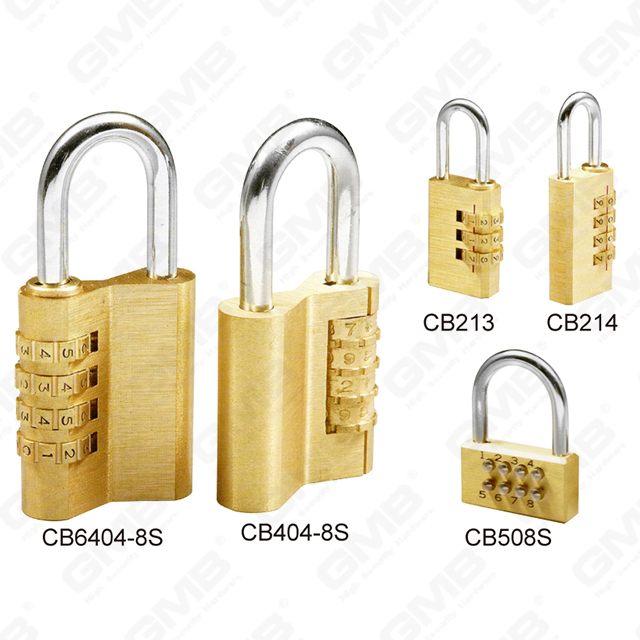
When changing a combination padlock, you might run into some common problems. Knowing how to handle these issues will save time and prevent frustration.
If your padlock doesn't open after setting a new combination, first double-check each dial's alignment. The numbers must line up exactly with the indicator marks. Sometimes, the shackle must be fully returned to the locked position before the new code activates. If it still won't open, try the old combination to ensure the reset process completed properly. If the reset didn’t take, repeat the steps carefully, making sure to hold the shackle down firmly while changing the numbers.
Many padlocks hide their reset levers or buttons inside the shackle hole or on the lock's side. If you can't find it, use a flashlight to inspect closely. Some locks require a special reset tool or a particular shackle position to access the reset function. Check your lock's manual or manufacturer's website for specific instructions. Avoid forcing anything, as this can damage the internal mechanism.
A jammed lock can be caused by dirt, rust, or worn parts. If your padlock's shackle won't move or the dials stick, apply a small amount of lubricant like WD-40 into the shackle hole and around the dials. Gently work the shackle back and forth to loosen it. Avoid using excessive force, which might break the lock. If the lock remains stuck, consider consulting a locksmith or replacing the lock if it's inexpensive.
Test new combinations multiple times before locking the padlock to confirm functionality.
Ensure the shackle is fully pressed down during reset to engage the mechanism.
Avoid rushing; careful, slow movements prevent errors.
Keep reset tools and instructions handy for your lock model.
If unsure, seek manufacturer guidance or professional help rather than forcing the lock.
By understanding these common issues and solutions, you can maintain your padlock's security and usability without unnecessary hassle. If your padlock seems jammed or won’t reset, applying a small amount of lubricant and gently working the mechanism often resolves the problem without damage.
When changing your combination padlock, paying attention to security is crucial. The right choices help keep your belongings safe and prevent unauthorized access.
Pick a combination that's tough to guess but easy for you to remember. Avoid simple patterns like:
"1234" or "0000"
Repeated numbers like "1111"
Birthdays or anniversaries that others might know
Instead, mix numbers unpredictably. For example, select random digits or use a memorable phrase converted into numbers. This makes it harder for someone to crack your code by guessing common sequences.
Keep your combination private at all times. When resetting or entering your code:
Do it in a private, well-lit place
Shield the dials from prying eyes
Avoid sharing the combination unnecessarily
If you write it down, store the note securely—like a locked drawer or password manager—so only you can access it. Sharing your combination increases the risk of theft or unauthorized entry.
Changing your combination regularly helps maintain security. Over time, codes can be compromised or guessed. Schedule updates every few months or after any security concern, such as:
Losing track of who knows the code
Suspecting someone watched you enter the combination
Moving the lock to a new, less secure location
Frequent updates reduce the chance of unwanted access and keep your lock effective.
Sometimes, changing or resetting your combination padlock isn't as straightforward as the instructions suggest. In these cases, a locksmith’s expertise can save time and prevent damage. Here are common scenarios when professional help is a smart choice:
Forgotten Combination with No Recovery Option: If you lose your combination and your lock lacks a serial number or manufacturer support, a locksmith can often open or reset it without destroying the lock.
Jammed or Damaged Locks: When your padlock is stuck, rusted, or physically damaged, forcing it can worsen the problem. Locksmiths have special tools and skills to free or repair the lock safely.
High-Security or Specialized Locks: Some padlocks have complex mechanisms or unique reset methods. Professionals understand these systems and can handle them correctly.
Repeated Reset Failures: If you've tried resetting multiple times without success, a locksmith can diagnose the issue and provide a solution.
Emergency Access Needs: When immediate access is critical, waiting for combination recovery or replacement may be impractical. Locksmiths can quickly open locks in emergencies.
Before calling a locksmith, consider the cost-effectiveness of professional service versus buying a new lock:
| Factor | Locksmith Assistance | Lock Replacement |
|---|---|---|
| Cost | Can range from moderate to high, depending on service and lock type | Usually lower for basic locks; higher for premium models |
| Time | Often faster than waiting for manufacturer recovery or shipping | Instant if purchased locally; delivery delays possible online |
| Lock Condition | Preserves existing lock, especially valuable or specialized models | Requires removing and disposing of old lock |
| Convenience | Locksmith handles opening and resetting; no need to reset new lock | Requires setting up new lock and updating users with new combination |
| Security | Ensures lock remains intact and secure | New lock may offer updated security features |
For basic or inexpensive padlocks, replacement often proves cheaper and simpler. However, for high-value or hard-to-replace locks, locksmith services offer a worthwhile investment.
Changing a combination padlock is straightforward with the right steps and tools. Ensure you remember your new code and test it multiple times. Avoid common mistakes like rushing or forgetting the combination to maintain security. For high-quality padlocks, consider using GMB products, which offer reliable security and ease of use. Regularly updating your combination enhances security, and professional help is available if needed. Keep your belongings safe with GMB's dependable lock solutions.
A: A combination padlock is a type of lock that uses a sequence of numbers or symbols to open, rather than a key.
A: To change the combination, open the lock, turn the shackle 90 degrees, press it down, set a new code, then return the shackle to its original position.
A: Regularly resetting your combination padlock enhances security by preventing unauthorized access through guessed or compromised codes.
A: Ensure the dials are aligned correctly and the shackle is fully returned to the locked position. If issues persist, try the old combination or repeat the reset process.
Tel: +86-510-8271 7656
Fax: +86-510-8271 7655
Email: info@gmbsino.com
Address: 4FL, No.503-1 Nanhu Road,
Sensing Device Industrial Park,
Liangxi District,Wuxi, Jiangsu,
China 214024