

Views: 0 Author: Site Editor Publish Time: 2025-07-21 Origin: Site
A mortise lock is a special door lock. It fits inside a pocket cut in the door's edge. This lock has a latch, deadbolt, and handle together. This gives extra safety for your door. Experts say knowing how a mortise lock works is helpful. It helps you pick the best lock for your home or business. These locks are very strong and hard to break into. They are better than simple locks. Mortise locks have tough lock cylinders and strong handles. They are a good choice for solid-core doors. Wuxi GMB International Corporation sells high-quality mortise locks. These locks help keep your property safe.
A mortise lock goes inside a pocket in the door's edge. This makes it stronger and safer than normal locks. The mortise pocket holds the lock body tightly. This lets the latch, deadbolt, and handle work well together. This gives better safety. There are different types of mortise locks. These include deadbolt, sash, and smart locks. They give choices for different security needs and door uses. Mortise locks use strong materials and special features. These help stop break-ins and make the lock last longer. This is good for busy or important doors. Putting in and taking care of a mortise lock needs skill and care. Getting a professional helps make sure the lock works well and lasts a long time.
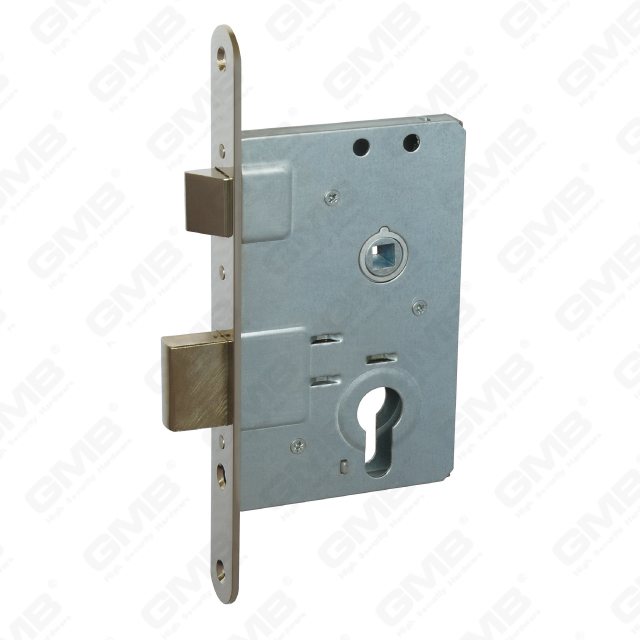
A mortise lock is a special lock that goes inside a pocket in the door's edge. The whole lock is hidden inside the door. This makes the lock strong and hard to break. A mortise lockset has a latch, deadbolt, lock body, cylinder, and strike plate. You use a key or handle to open or close it.
A mortise lock is different because it sits inside the door, not on top. This gives you better safety and a neat look. Many old homes and big buildings use mortise locks for main doors. You can also see them in hotels, offices, and schools.
Here is a table to show how a mortise lock is not like other locks:
Feature | Mortise Lockset | Other Locks (Cylindrical, Tubular, Deadbolt) |
|---|---|---|
Installation | Needs a pocket cut in the door's edge | Fits into holes already in the door |
Security | Strong, with latch and deadbolt inside the door | Not as safe, deadbolt is often separate |
Durability | Lasts many years, good for busy places | May break sooner |
Design Options | Many styles and uses to pick from | Not as many choices |
Door Compatibility | Best for solid or heavy doors | Used in most new home doors |
There are many kinds of mortise locks. Some are for apartment doors, others for storage rooms. Wuxi GMB International Corporation sells many mortise locksets and parts like cylinders and handles. These products are high quality and work well in homes and businesses.
The mortice is the pocket cut into your door's edge. This pocket holds the lock body tight inside the door. When you put in a mortise lock, you must cut the mortice to fit just right. This step is important to keep the lock safe and strong.
The mortice hides the lock inside the door, so it is harder to mess with.
A good mortice makes the lock fit tight, so it does not shake.
The mortice lets you use different lock parts, like a latch or deadbolt, or both.
You will see mortices in many big buildings and schools. These places need strong locks that last a long time. The mortice helps the lock work well, even if many people use it. If you want a safe and nice-looking door, a mortise lock with a good mortice is a smart pick.
Tip: Cutting a mortice needs skill and special tools. If you are not sure how, ask a pro for help.
Mortise locks are used for front doors, hotel rooms, and office doors. They work best with strong wood, metal, or composite doors. There are also special mortise locksets for bathrooms or very safe places. The mortice is very important for making sure your lock works well and keeps your place safe.
When you look inside a mortise lock, you will see many important parts working together. Each part has a special job. The mortice holds the lock body inside the door. This pocket keeps the lock safe and hidden. The lock body sits inside the mortice and holds all the moving parts.
Here is a table to help you understand the main components and their functions:
Component | Function |
|---|---|
Lock Body | Main unit inside the mortice that holds all other parts together. |
Latch Bolt | Spring-loaded part that catches the door when closed. |
Deadbolt | Solid bolt that slides into the door frame for extra security, operated by key or thumb turn. |
Strike Plate | Metal plate on the door frame where the latch and deadbolt fit in. |
Spindle and Thumb Turn | Connects the handle or lever to the lock, allowing you to open or close the door. |
Key Cylinder | Accepts the key and controls the locking and unlocking. |
Trim and Escutcheons | Decorative plates that protect and cover the area around the lock and handle. |
Auxiliary Latch/Deadlatch | Extra latch that stops the latch bolt from being pushed in when the door is closed. |
Scalp Plate/Lock Front | The part of the mortise lock you see on the door edge. |
The mortice must fit each part perfectly. If the mortice is too big or too small, the lock will not work well. You need to make sure the mortice is cut with care. The mortice also lets you use different types of lock cylinders and door handles, so you can choose the best style for your needs.
Note: A well-made mortice helps your mortise lock last longer and work smoothly every time you use it.
You might wonder how mortise locks work when you use your key or handle. The answer starts with the mortice. The mortice holds the lock body in place, so all the parts can move as they should. When you put your key into the key cylinder, you turn it to move a small metal piece called a cam. The cam sits inside the lock body, right in the mortice.
Turning the key rotates the cam. This action unlocks the latch bolt and deadbolt inside the lock body. If you want to open the door, you turn the handle. The handle connects to a spindle, which passes through the mortice and the lock body. When you turn the handle, the spindle pulls back the latch bolt. The door opens because the latch bolt moves out of the strike plate.
If you want to lock the door, you turn the key in the other direction. The cam moves again, pushing the deadbolt into the strike plate on the door frame. The mortice keeps the lock body steady, so the deadbolt slides in and out without trouble.
Some mortise locks have an extra latch called a deadlatch. This latch stops people from pushing the latch bolt back with a card or tool. The mortice gives space for this extra latch, making your door even safer.
Here is a simple step-by-step list of how mortise locks work:
You insert the key into the key cylinder.
You turn the key, which moves the cam inside the mortice.
The cam unlocks the latch bolt and deadbolt.
You turn the handle, which moves the spindle through the mortice.
The spindle pulls back the latch bolt, letting you open the door.
To lock the door, you turn the key the other way, moving the deadbolt into the strike plate.
The mortice is the heart of the system. It holds the lock body, latch, deadbolt, and all moving parts in the right place. Without a good mortice, the lock would not work as it should.
When you choose a mortise lock from Wuxi GMB International Corporation, you get a product that fits perfectly into the mortice. You can also find matching lock cylinders and door handles for a complete solution. Mortise locks are a smart choice for anyone who wants strong security and a lock that lasts.
There are different types of mortise locks for different needs. The mortice in your door lets you pick the best lock for your space. Let's look at the main types you might use at home or work.
A deadbolt mortise lock gives strong security. You use this lock when you want a door to stay locked tight. The mortice holds the lock body deep inside the door. This makes it hard for someone to break in. You can choose a single-cylinder mortise lock. It uses a key on one side and a thumbturn on the other. If you want more control, pick a double cylinder mortise lock. It uses a key on both sides.
Here is a table that shows what a deadbolt mortise lock can do:
Feature Category | Details |
|---|---|
Security Standards | ANSI/BHMA Grade 1 certified; UL Listed for 3-hour fire door |
Deadbolt Features | Anti-saw pin to stop bolt cutting |
Key Control | Patented keyways; advanced key control options |
Construction Materials | Cold rolled steel case with corrosion-resistant plating |
Lock Functions | Single or double cylinder options; multiple trim styles |
Durability Testing | Tested for strength, impact, and resistance |
You often use this lock for service doors, storage rooms, or places where safety is most important. The mortice keeps the lock safe from being messed with.
A sash mortise lock has a latch and a deadbolt in one lock body. The mortice in your door holds both parts together. You use a handle to open the latch for easy entry. You use a key or cylinder to lock the deadbolt for extra safety. This lock works well for doors people use many times each day.
Feature | Sash Mortise Lock | Deadbolt Mortise Lock |
|---|---|---|
Mechanism | Latch and deadbolt | Deadbolt only |
Operation | Handle and key/cylinder | Key or thumbturn |
Typical Use | High-traffic internal doors, apartments, offices | Exterior doors, storage, utility rooms |
Security Level | Good balance of convenience and security | Maximum security |
You see sash mortise locks on apartment doors, office doors, and stores. The mortice lets you use both a latch and a deadbolt. This gives you safety and easy entry.
Tip: For a busy door, a sash mortise lock is a smart pick.
Smart mortise locks use new technology for your door. You still need a mortice to hold the lock body. These locks have features like keyless entry, fingerprint scan, and remote control from your phone. They work with PIN codes, RFID cards, or even voice commands. You can set up codes for guests or see who comes in.
Many keyless entry ways: PIN, RFID, Bluetooth eKeys
Touchscreen keypad with PIN protection
Auto relock and one-touch entry
Remote access and monitoring with an app
Biometric options like fingerprint or face scan
Works with smart home systems
Smart mortise locks give strong security and make life easier. You can use them on wood, metal, or fire doors. Many new mortise locks from Wuxi GMB International Corporation have these smart features. They mix safety with convenience.
When you pick a mortise lockset, think about how the mortice in your door helps with safety and daily use. You can also match your lock with a good lock cylinder or door handle for a full solution.
You need a lock that can handle daily use and keep your place safe. The mortice is what makes the mortise lock strong. Makers use tough materials like stainless steel and brass for the lock body and parts. These metals do not rust and last a long time. Careful design helps the mortise lock fit tightly in the mortice. This tight fit lets the lock work well and not wear out fast.
Stainless steel and brass make the lock strong and last longer.
Extra features like anti-drill and anti-pick help the lock stay tough.
Putting the lock in the mortice the right way helps it last.
Cleaning and oiling the lock often keeps it working well.
Mortise locks are tested to make sure they are strong. Grade 1 mortise locks can be used up to 1,000,000 times and can take up to 250 pounds of force. This makes them great for busy doors in offices, schools, and homes that need strong locks.
Feature | Grade 1 (Highest) | Grade 2 (Moderate) | Grade 3 (Lowest) |
|---|---|---|---|
Durability (Cycles) | Up to 1,000,000 cycles | Around 800,000 cycles | Around 200,000 cycles |
Resistance to Force | Up to 250 pounds | Around 150 pounds | Around 120 pounds |
Usage | Heavy-duty commercial/high traffic | Residential/light commercial | Interior/light use |
Material Quality | Heavy-duty, robust metals | Moderate durability materials | Lightweight materials |
Cost | Highest | Moderate | Lowest |

The mortice lets the mortise lock have special safety features. You get things like anti-saw parts and anti-pick latches to stop break-ins. The mortice also lets you use locks with deadbolts and multi-point systems. This makes your door much harder to open by force. Mortise locks can also have emergency exits and thumb presses for extra safety.
Security Aspect | Mortise Locks | Tubular Locks |
|---|---|---|
Security Level | Sturdier, more difficult to tamper with | Generally less secure |
Durability | Designed for heavy-duty use, long lifespan | Less durable, suited for residential |
Locking Mechanisms | Supports complex mechanisms (deadbolts, multi-point locking) | Limited locking functions |
Suitability | Ideal for commercial/high-security exterior doors | More common in residential settings |
You can use mortise locks with strong lock cylinders and handles for even better safety. The mortice lets you change or upgrade your lock if you need more protection.
You should know that making the mortice takes careful work and measuring. Putting in a mortise lock needs skill and special tools. Many people get a pro to do this job. If the mortice is not cut right, the lock might not work or could make the door weak. Finding a new mortise lock can be hard because sizes are different for each brand. If one part breaks, you might need to replace the whole lock.
Installing the lock needs skill and care.
You may need a pro, which can cost more.
Cutting the mortice wrong can hurt the door.
Fixing or replacing the lock can be harder than with other locks.
Even with these problems, the mortice gives you a strong and safe lock for your doors. If you want the best safety, especially for homes that need strong locks, a mortise lock is a smart choice.
If you want to know how to install a mortise lock, you need to follow careful steps. The mortice is the pocket in your door that holds the lock body. You must measure and cut this pocket with precision. Many people choose professional installation of mortise locks because it protects the door and ensures the lock works well.
Here are the basic steps you should follow:
Gather your tools. You need a drill, screwdrivers, measuring tape, chisel, safety goggles, and gloves.
Remove any old lock and clean the area.
Check the door frame for damage and make sure it is level.
Measure and mark the mortice on the door edge, usually about 36 inches from the floor.
Drill holes along your marks and use a chisel to create a snug mortice for the lock body.
Test-fit the lock body in the mortice. It should fit tightly but not require force.
Mark and drill holes for the lock cylinder and door handle.
Secure the faceplate over the mortice with screws.
Attach the strike plate to the door frame, making sure it lines up with the latch and deadbolt.
Test the mortise lock by turning the key and handle. Adjust the mortice or strike plate if needed.
Tip: If you feel unsure about cutting the mortice or aligning the lock, call a professional locksmith. This helps you avoid mistakes that could weaken your door.
Wuxi GMB International Corporation offers mortise locks, lock cylinders, and door handles designed for easy installation and long-term use. You can also request custom solutions for your next mortise lock purchase and installation.
To keep your mortise lock working smoothly, you should follow a regular maintenance routine. The mortice must stay clean and free of dust. Here are some tips:
Inspect the mortise lock every six months for signs of wear or damage.
Clean the faceplate and handle with a dry cloth. Use compressed air to remove dust from the mortice.
Lubricate the lock cylinder and moving parts with a dry lubricant like graphite powder. Avoid oil-based sprays.
Tighten any loose screws on the faceplate, handle, or strike plate.
Check the latch and deadbolt for smooth movement. If you notice stiffness or strange noises, service the lock right away.
Replace worn parts or call a locksmith if the mortise lock does not work as it should.
If you want expert advice or a custom mortise lock solution, Wuxi GMB International Corporation can help. Their team can guide you through every step, from choosing the right lock to installation and maintenance.
A mortise lock keeps your door safe for a long time. The lock body is hidden inside the door, so it is hard to mess with. Good materials and careful setup help the lock last many years. For the best lock, pick a trusted company like Wuxi GMB International Corporation. They know a lot about lock cylinders and door handles. You will get strong protection and choices that fit what you need.
A mortise lock fits inside a pocket in your door. Most regular door locks, like cylindrical locks, sit on the surface. Mortise locks offer more strength and security for your home or business.
You need a solid or thick door for a mortise lock. Thin or hollow doors may not support the lock body. Always check your door's thickness before choosing a mortise lock.
Clean the lock face and handle with a dry cloth. Use graphite powder for the lock cylinder. Check for loose screws. Test the latch and deadbolt often. Regular care keeps your mortise lock working smoothly.
Yes. Mortise locks have a strong lock body and deep installation. This makes them harder to force open. You get better protection for entry doors, especially when paired with a high-security lock cylinder.
You can find premium mortise locks, lock cylinders, and door handles at Wuxi GMB International Corporation. Their products meet strict quality standards and suit both homes and businesses.
Tel: +86-510-8271 7656
Fax: +86-510-8271 7655
Email: info@gmbsino.com
Address: 4FL, No.503-1 Nanhu Road,
Sensing Device Industrial Park,
Liangxi District,Wuxi, Jiangsu,
China 214024