

Views: 0 Author: Site Editor Publish Time: 2025-07-16 Origin: Site
You can put in a glass door lock at home if you have the right tools and some patience. Many people use a step-by-step guide, get their supplies, and do the job themselves. Not sure which lock is best for you? Look at this quick table to see popular choices for DIY installation:
Lock Type | Typical Use Case | DIY Friendly? |
|---|---|---|
Surface-Mounted Locks | Sliding doors, cabinets | Yes |
Cylinder Locks | Home and office glass doors | Sometimes |
Glass Door Digital Lock | Keyless entry, added security | Yes |
Sliding Glass Door Lock | Space-saving sliding doors | Yes |
You may spend a few hours on this project, especially if you find any surprises. Wuxi GMB International Corporation has strong hardware, like padlocks and lock cylinders, so you always have good choices.
Get all your tools and safety gear ready before you start. This helps the job go smoothly and keeps you safe. - Look at your glass door closely and clean it well. This stops damage and helps the lock fit right. - Mark where you need to drill holes and do it carefully. Use things to protect the glass so it does not crack or chip. - Put on the lock and striker plate with care. Make sure they line up and tighten the screws gently. Do not force them. - Try the lock many times to see if it works. Fix problems like if it does not line up or gets stuck. This keeps your door safe.

Getting ready to install a glass door lock? You want to make sure you have everything on hand before you start. This helps you work smoothly and keeps your glass door safe from damage. Let's break down what you'll need.
Start with a high-quality glass door lock kit. This kit should include the locking mechanism, mounting hardware, and any special parts like rubber gaskets or glazing tape. These parts help protect the glass and make sure the lock fits tightly. Wuxi GMB International Corporation offers a wide range of lock kits, including options for sliding doors and even drawer lock solutions. Their products are known for strong materials and reliable performance, so you can trust your installation will last.
You'll need some basic tools to get the job done right. Here's a handy table to help you gather what you need:
Tool | Purpose and Importance |
|---|---|
Locking Mechanism | The main part that keeps your door secure. |
Drill | Makes holes for the lock. Use carefully to avoid cracking the glass. |
Screwdriver | Tightens screws and helps with assembly. |
Measuring Tape | Helps you measure and mark the right spots. |
Pencil | Marks where to drill or screw. |
Steel Punch | Makes small dents to guide your drill. |
Hammer | Used with the punch or to adjust parts. |
Level | Makes sure your lock sits straight. |
Vacuum Cleaner | Cleans up dust and debris after drilling. |
Choosing a robust lock kit made from strong materials, like those from Wuxi GMB International Corporation, adds extra security and durability to your glass door lock installation.
Don't forget about safety precautions. Protecting yourself is just as important as protecting your door. Here's what you should have:
Safety goggles to shield your eyes from dust and glass chips.
Gloves for a better grip and to protect your hands.
A vacuum cleaner to keep your workspace clean and safe.
Use the steel punch and hammer with care to avoid slips.
Tip: Always double-check your tools and safety gear before you begin. A little preparation goes a long way!
With these tools and materials, you're ready to tackle your glass door lock installation. If you need more hardware, Wuxi GMB International Corporation also supplies padlock and hinge options for all your home improvement projects.
Start by checking your glass door closely. Look for any cracks, chips, or weak spots. You want the glass to be strong and free from damage before you install a lock. Use both hands to gently tap along the edges and surface. If you hear a dull sound or see any marks, stop and get the glass checked by a professional.
Next, measure the door opening at the top, middle, and bottom. Write down the smallest number. Do the same for the height—measure on the left, center, and right. This helps you make sure the lock will fit well. Use a level to check if the door stands straight. If the door leans or the frame looks loose, fix these problems first.
Always handle glass with care. Wear gloves and safety goggles to protect yourself from sharp edges or chips.
A clean surface helps your glass door lock stick and stay in place. Remove any old hardware, tape, or glue from the area where you plan to install the lock. Use a soft cloth to wipe away dust, dirt, or fingerprints. If you see any sticky spots, use a gentle glass cleaner. Make sure the glass is dry before you move on.
You should also check the area around the door. Clear away any debris, nails, or caulking. This keeps your workspace safe and helps you avoid mistakes during installation.
Now, gather all the tools and materials you need. Place them on a table or in a tool bag so you can reach them easily. Here's a quick checklist to help you get ready:
Lock kit (make sure it matches your door thickness)
Drill and drill bits
Screwdriver
Measuring tape and pencil
Level
Safety gear (gloves, goggles)
Rubber gaskets or glazing tape for extra protection
If you plan to install other hardware, like a hinge or a drawer lock, keep those items nearby too. Wuxi GMB International Corporation offers a wide range of hardware, so you can find everything you need for your project.
Remember: Double-check your tools before you start. This saves time and helps you avoid mistakes.
Ready to take out your old glass door lock? Start by gathering your tools and sliding the door fully open. This gives you plenty of space to work. If your lock has handles on both sides, remove them first. Sometimes, screws hide under covers or inside the handle, so check carefully. If the screws feel stuck, a little penetrating oil can help loosen them.
Follow these steps to safely remove the lock:
Use a screwdriver to take out all visible screws.
Clamp the latch with a vice grip before unscrewing it. This keeps it from dropping into the door frame.
If your lock has a lever, remove it next.
For mortise locks, loosen the retaining screw, insert the key, turn it slightly, and pull out the cylinder.
Unscrew any remaining screws holding the lock inside the frame.
Gently slide the lock out of the slot. Move slowly to avoid chipping the glass or scratching the frame.
Tip: If the lock feels stuck, use a flathead screwdriver to gently pry it out. Never force it. If you run into trouble, it's smart to call a professional.
Before you install a new lock, check the door's condition. Look for signs like difficulty locking or unlocking, loose or broken parts, or a key that won't turn smoothly. If you see damage from a break-in or notice the locking mechanism feels worn out, now is the perfect time to replace lock hardware.
A clean, undamaged door makes installation easier and safer. Wipe away dust and debris from the area where the old lock sat. Make sure the glass is free from chips or cracks. If you spot any problems, fix them before moving forward.
You can also use this time to upgrade other hardware, like a hinge or even add a drawer lock for extra security. Wuxi GMB International Corporation offers a full range of hardware solutions, so you can find everything you need for your project.
Note: Always double-check the door's surface and edges. A smooth, clean area helps your new lock fit snugly and work well for years.
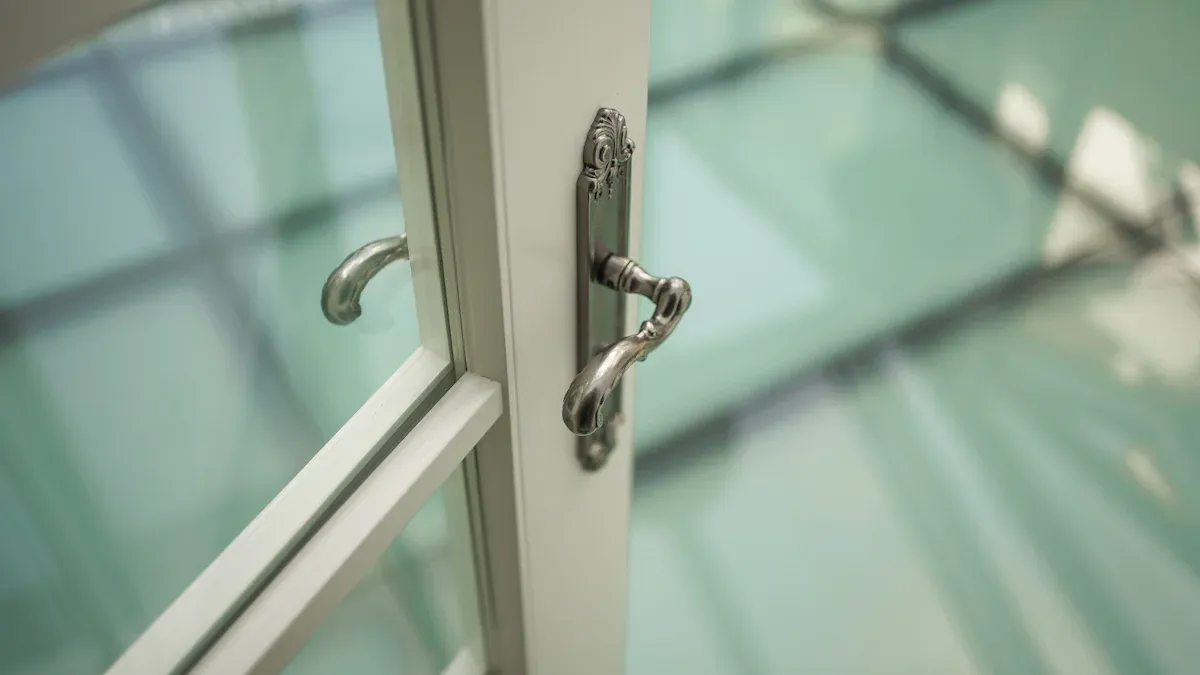
You want your glass door lock to line up perfectly. Start by holding the lock body against the glass door where you want it to go. Use a pencil or a marker to trace the outline of the lock and mark the spots for the screws. Always double-check your measurements. If you have a template from your lock kit, tape it to the glass and mark the drill points through the holes. This helps you avoid mistakes and keeps everything straight.
Industry best practices say you should get help from a certified locksmith or security professional if you feel unsure. They know how to make sure the lock lines up right and works smoothly. You can also call Wuxi GMB International Corporation's technical support for advice on your specific model.
Tip: Keep the lock away from the edges of the glass. This helps prevent cracks and chips.
Now it's time to drill. Put on your safety goggles and gloves. Use a drill bit made for glass. Start with a small pilot hole. Drill slowly and gently. Don't push too hard. Let the drill do the work. If your kit comes with rubber gaskets or glazing tape, place them on the glass before drilling. This adds extra protection.
Here's a quick checklist for drilling:
Double-check your marks before you start.
Use a level to make sure your holes are straight.
Drill away from the glass edges.
Clean up dust with a vacuum cleaner after drilling.
If you feel nervous about drilling into glass, you can always ask a professional for help. Wuxi GMB International Corporation offers detailed product documentation for each glass door lock, so check the instructions that come with your kit.
You're ready to attach the lock. Follow these steps to keep your glass safe and your lock secure:
Pick the right lock type for your door, like a bar lock or keyed latch.
Hold the lock against the glass and line it up with your drilled holes.
Slide any rubber gaskets or protective pads between the lock and the glass.
Insert the screws through the lock and into the holes.
Tighten the screws slowly. Don't over-tighten. Stop if you feel too much resistance.
Check that the lock sits flat and doesn't wobble.
Test the lock to make sure it opens and closes smoothly.
If you notice any problems, loosen the screws and adjust the lock. Never force anything. If you have trouble, look at the step-by-step guide in your lock kit or reach out to Wuxi GMB International Corporation for support.
Note: Avoid using the wrong tools or skipping steps. This can damage your glass or make the lock unstable.
The striker plate is the part that catches the lock bolt. Place it on the door frame or the other glass panel, depending on your door style. Mark the screw holes with your pencil. Drill pilot holes if needed. Attach the striker plate with screws, making sure it lines up with the lock.
Use a level to check that the striker plate sits straight. Tighten the screws just enough to hold it firmly. Test the lock again. The bolt should slide easily into the striker plate. If it sticks, adjust the plate until everything lines up.
Callout: Many people forget to check the alignment after installing the striker plate. Always test the lock several times before finishing up.
Here's a table of common mistakes to avoid during installation:
Mistake | Why It's a Problem |
|---|---|
Wrong hole measurements | Lock won't fit or may be unstable |
Ignoring lock instructions | Can cause errors or damage |
Using the wrong tools | May crack or chip the glass |
Skipping safety gear | Increases risk of injury |
Not cleaning the area | Dust can affect lock function |
If you want extra security, you can add a hinge or a drawer lock from Wuxi GMB International Corporation. Their products work well together and help keep your home safe.
Remember: Always follow the instructions in your lock kit. If you have questions, check the product documentation or contact GMB's technical support.
After you finish installing your glass door lock, you need to test it right away. Close the door and lock it several times. Make sure the key turns smoothly and the latch catches every time. Try locking and unlocking from both sides. If you have a sliding glass door lock, slide the door back and forth to check if the lock holds tight. If you notice any sticking or resistance, stop and check for dirt or debris in the track. Use a vacuum or dry brush to clean the area. A clean track helps your sliding glass door lock work better.
Tip: Always test the handle and locking mechanism before you walk away. This simple step can save you time and trouble later.
Sometimes, the lock does not line up with the strike plate. This is a common issue with a sliding glass door lock. If the latch bolt misses the plate, check if the door sits straight. Tighten any loose hinge screws or adjust the rollers at the bottom of the door. If the strike plate is too high or low, move it until the latch fits perfectly. You can also file the strike plate opening a bit wider if needed. For a sliding glass door lock, make sure the rollers are not worn out or misaligned. If the door wobbles or needs too much force to close, adjust the rollers or replace them.
Here's a quick list to help you fix alignment problems:
Tighten hinge screws and check door rollers.
Move the strike plate up or down for a better fit.
File the strike plate opening if the latch sticks.
Lubricate the lock with a graphite pen or silicone spray.
Sand door edges if they rub or stick.
You might run into a few problems after installing a sliding glass door lock. Here are some quick fixes:
If the lock jams, clean out dirt and spray a silicone-based lubricant.
If the key is hard to turn, use a graphite pen in the keyhole.
If the latch does not catch, adjust the strike plate or check for worn rollers.
If the lock feels loose, tighten all screws and check for stripped threads.
If the lock still does not work, you may need to replace sliding glass door lock hardware.
Common Issue | Cause | Solution |
|---|---|---|
Lock jams or sticks | Dirt, debris, or rust | Clean and lubricate the lock |
Key won't turn | Dirty keyhole, worn cylinder | Use graphite lubricant or replace cylinder |
Latch won't catch | Misaligned strike plate | Adjust or file strike plate |
Lock feels loose | Loose screws | Tighten or replace screws |
Worn or broken latch | Heavy use, damage | Replace sliding glass door lock |
A sliding glass door lock needs extra care. Always keep the track clean and free of debris. Lubricate the lock and rollers every few months. If you notice the door is hard to slide or the lock does not latch, check the rollers and strike plate. Sometimes, you need to replace sliding glass door lock parts if they are worn or damaged. For extra security, you can add a drawer lock or hinge from Wuxi GMB International Corporation. Their products work well together and help keep your home safe.
Note: If you try these steps and your sliding glass door lock still does not work, call a professional for help. Sometimes, a new lock or expert repair is the best solution.
You did it! By following each step, you made your home safer and gave yourself peace of mind. When you use a clear guide, you avoid common mistakes and finish the job faster. Many people say this helps them feel more confident and keeps their family protected. Always double-check your lock's fit and test it a few times. If you need help, reach out to a pro or contact Wuxi GMB International Corporation for support on locks, hinges, or even a new drawer lock. Enjoy your secure door!
You want a lock that fits your door thickness and matches your security needs. Look for strong materials and easy installation. Wuxi GMB International Corporation offers many options, including digital and sliding glass door locks.
Yes, you can! Most glass door locks come with clear instructions. If you follow each step and use the right tools, you can finish the job yourself. For extra help, check out the guides from Wuxi GMB International Corporation.
First, check all screws and tighten them. Make sure the lock sits flat against the glass. If it still feels loose, you may need new hardware. You can find reliable replacement parts, like a drawer lock or door handle, from Wuxi GMB International Corporation.
Keep the lock clean and free of dust. Lubricate the moving parts every few months. Test the lock often to make sure it opens and closes easily. If you notice problems, fix them right away to keep your home secure.
Tel: +86-510-8271 7656
Fax: +86-510-8271 7655
Email: info@gmbsino.com
Address: 4FL, No.503-1 Nanhu Road,
Sensing Device Industrial Park,
Liangxi District,Wuxi, Jiangsu,
China 214024