

Views: 0 Author: Site Editor Publish Time: 2025-06-05 Origin: Site
Getting locked out of a room, your home, or even your office is something that happens to the best of us. Whether it's a forgotten key, a jammed lock, or a broken mechanism, it can be frustrating and stressful. But don't panic — this guide is here to help.
In this article, we'll walk you through everything you need to know about unlocking a locked door. We'll explore common causes, step-by-step solutions, and how to choose the right door lock to prevent it from happening again. Whether it's for security doors, home use, or commercial use, we've got you covered.
Plus, we'll highlight different types of door locks, like mortise locks, pocket door locks, barn door locks, and more, so you understand what you're working with — and what to look for when replacing or upgrading. Let's dive in.
Before we talk about how to unlock a door, it helps to know why it's locked in the first place. Here are the most common reasons people find themselves stuck outside:
You lost or forgot the key.
The key broke off inside the lock.
The lockbody is jammed or faulty.
The door lock components are rusted or misaligned.
It's a digital or combination door lock, and the code isn't working.
The door swelled due to humidity and won't release the latch.
Someone locked it from the inside — and left through another exit.
Identifying the cause helps you choose the right method to unlock it without damaging the door.
Not all doors are created equal — and neither are their locks. Understanding what kind of door lock you're dealing with can make the unlocking process easier. Here are some of the most common types:
| Lock Type | Description | Common Use |
|---|---|---|
| Mortise Lock | A lock that fits into a deep pocket inside the door | Office doors, apartments, hotels |
| Pocket Door Lock | Designed for sliding doors that disappear into the wall | Bathrooms, closets |
| Barn Door Lock | Surface-mounted lock for sliding barn-style doors | Modern homes, farmhouses |
| Patio Door Lock | Typically found on sliding glass doors leading to outdoor areas | Homes, apartments |
| Magnetic Door Lock | Uses electromagnetism to secure doors | Commercial buildings, offices |
| Bedroom Door Lock | Usually a simple knob lock with or without a key | Homes |
| Sliding Glass Door Lock | Locks that secure glass doors that slide horizontally | Balconies, patios |
| Combination Door Lock | Uses a keypad instead of a key | Offices, smart homes |
| Double Door Lock | Meant for French doors or double-panel doors | Elegant entrances |
Each lock type needs a different approach to unlocking. We'll talk about that next.
Sometimes you don't have tools or time to call a locksmith. Here are some emergency hacks you can try, depending on the type of door lock:
This classic trick works best on interior doors with a spring-style lock (not deadbolts). Simply:
Grab a flexible card you don't mind damaging.
Insert it between the door and frame, just above the lock.
Wiggle and slide downward while turning the handle.
This won't work on high-security locks or exterior doors, but it's worth a shot for a bedroom door lock or door lock for home use.
If you've got a lockbody with a basic keyhole, you may be able to pick it:
Straighten a paperclip or bobby pin.
Insert it into the keyhole and apply light pressure.
Jiggle or twist until you hear a click.
This isn't easy and doesn't work on advanced locks like a magnetic door lock or a combination door lock, but it might help in a pinch.
If you can access the screws:
Use a screwdriver to unscrew the handle or lock plate.
Pull off the knob and manually turn the locking mechanism.
Open the door.
This works for many interior door locks, especially older models or cheap hardware.
If the door refuses to budge or you're not sure what you're doing, it's best to call a professional. Locksmiths have tools to open even the most stubborn mortise locks, patio door locks, and sliding glass door locks without damaging the door.
Here's when to call for help:
You're locked out of your home at night.
The key broke off inside the lock.
You're dealing with a high-security commercial door lock.
The door is your only entry or exit (safety issue).
Unlocking a door is only half the battle — let's keep it from happening again.
Digital door locks for home use are a game-changer. Options include:
Keypad locks (no key needed)
Smartphone-controlled locks
Combination door locks with backup keys
GMB's digital smart lock series includes advanced options like:
Smart handle locks
Face recognition locks
Smart deadbolts
Electronic cylinders
These options are perfect for homeowners and business owners who want convenience and security.
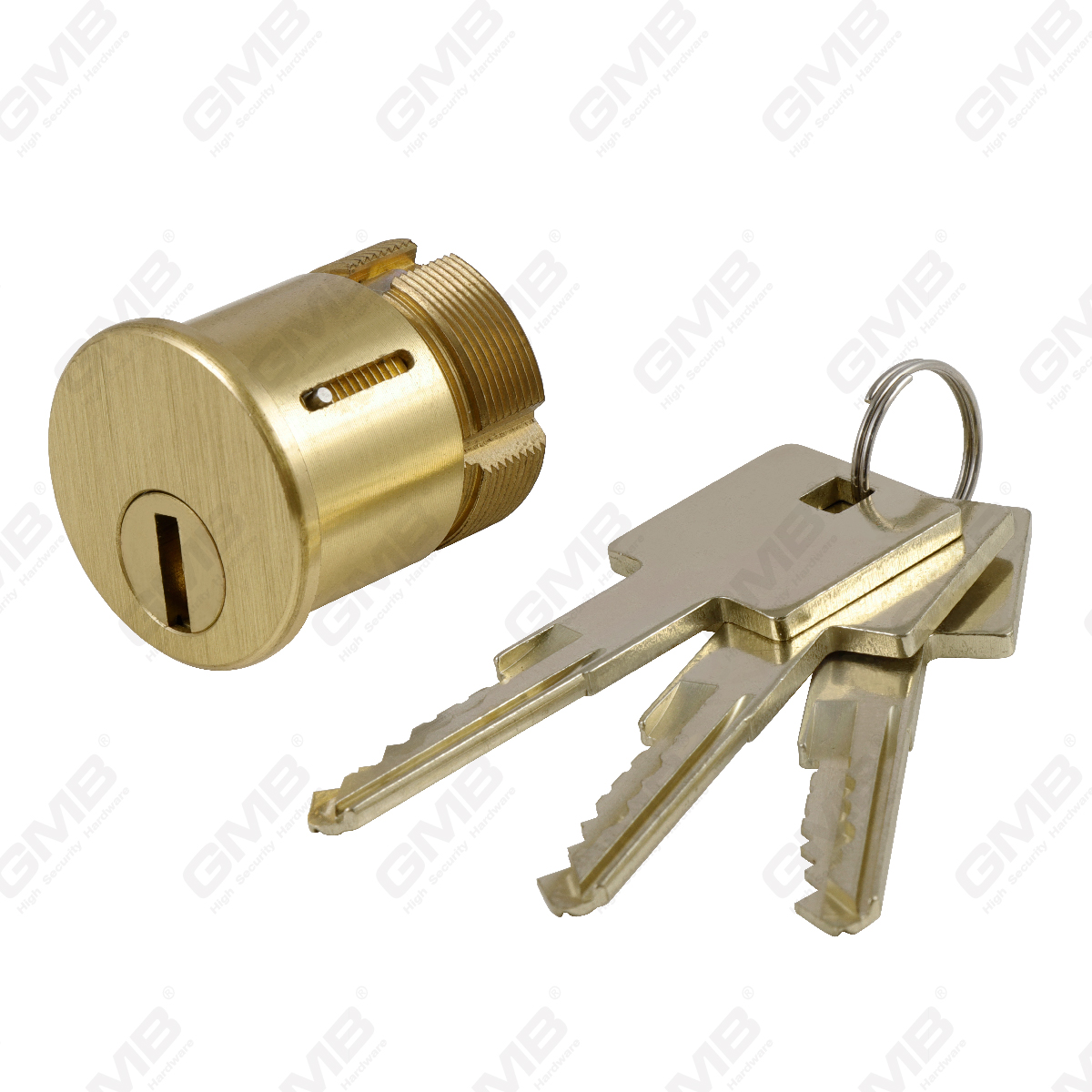
If you're dealing with double doors, you'll want secure locks on both sides. A double door lock with a keyed deadbolt and latch system offers better protection and ensures you don't get locked out easily.
Hide a key in a secure outdoor key box.
Give a spare to a trusted neighbor or friend.
Keep a backup key in your car or work bag.
Lubricate your door lock components every few months. This keeps your lockbody from jamming and prevents rust buildup. Check alignment, screws, and handles.
Some doors need specific locks. Here's a breakdown:
| Door Type | Recommended Lock |
|---|---|
| Sliding Glass Door | Sliding glass door lock, patio door lock |
| Barn Door | Barn door lock, surface latch |
| Pocket Door | Pocket door lock with privacy latch |
| Bedroom Door | Simple knob lock, magnetic door lock |
| French or Double Door | Double door lock, mortise lock with deadbolt |
| Office/Commercial Door | Mortise lock, high-security lockbody, electronic cylinder |
Choosing the correct lock ensures better safety and ease of use. GMB offers a wide selection of locks based on material, function, and design.
Here's a quick comparison to help you decide:
| Lock Type | Security Level | Ease of Use | Best For |
|---|---|---|---|
| Mortise Lock | High | Moderate | Commercial use |
| Magnetic Door Lock | Very High | Easy (if powered) | Offices |
| Pocket Door Lock | Moderate | Easy | Bathrooms |
| Barn Door Lock | Moderate | Easy | Decorative doors |
| Sliding Glass Door Lock | Moderate | Easy | Patios |
| Combination Door Lock | High | Easy | Offices, homes |
| Bedroom Door Lock | Low to Moderate | Very Easy | Interior use |
If you're looking to upgrade or replace your current lock, WUXI GMB International Corporation is one of the leading manufacturers of door locks, lock handles, hinges, lock cylinders, and more. With over 15 years of experience, they offer products that are:
Reliable for both home use and commercial use
Designed with security and style in mind
Backed by international standards (EN, TS, ANSI)
Available in a wide variety, including:
Mortise locks
Lockbodies
Cylinders
Digital smart locks
Handles and hinges
Explore their product line to find the perfect match for your building or home.
Q1: What should I do if my key broke inside the door lock?
A1: Try using tweezers or a broken key extractor tool to remove the broken piece. Avoid pushing it deeper. If that fails, call a locksmith.
Q2: Can I unlock a door without damaging it?
A2: Yes, many interior locks like bedroom door locks or pocket door locks can be unlocked using non-destructive methods like picking, sliding a card, or unscrewing the knob.
Q3: What's the best door lock for sliding glass doors?
A3: Look for a strong sliding glass door lock with anti-lift features. GMB offers options that are easy to install and secure.
Q4: Are digital locks safe for home use?
A4: Absolutely. Combination door locks and smart locks are more secure than many traditional locks, especially when used with backup keys and app control.
Q5: How often should I maintain my door lock components?
A5: At least twice a year. Lubricate the lock, tighten screws, and check alignment to avoid jams.
Q6: What's the difference between a mortise lock and a standard lock?
A6: A mortise lock is installed inside a pocket cut into the door and typically offers higher security. It's a great option for commercial use or front doors.
Q7: Can I install a new lock myself?
A7: If it's a simple bedroom or pocket door lock, yes. For mortise or commercial locks, it's best to get professional help to ensure correct installation.
Getting locked out is never fun, but knowing the right steps can turn a stressful situation into a minor inconvenience. Whether you need a quick fix or you're planning a lock upgrade, understanding your door lock and choosing the right type for your specific situation is key.
From mortise locks for offices to pocket door locks for bathrooms, or magnetic door locks for security doors, there's a solution for every need. Don't forget to explore reliable manufacturers like GMB for high-quality, durable, and stylish options that meet modern safety standards.
Remember, the best door lock is one you can count on — and one that won't lock you out when you least expect it.
Looking to upgrade your lock? Explore premium quality locks for sliding doors, bedrooms, patios, and more — all available from trusted manufacturers like WUXI GMB.
Tel: +86-510-8271 7656
Fax: +86-510-8271 7655
Email: info@gmbsino.com
Address: 4FL, No.503-1 Nanhu Road,
Sensing Device Industrial Park,
Liangxi District,Wuxi, Jiangsu,
China 214024